
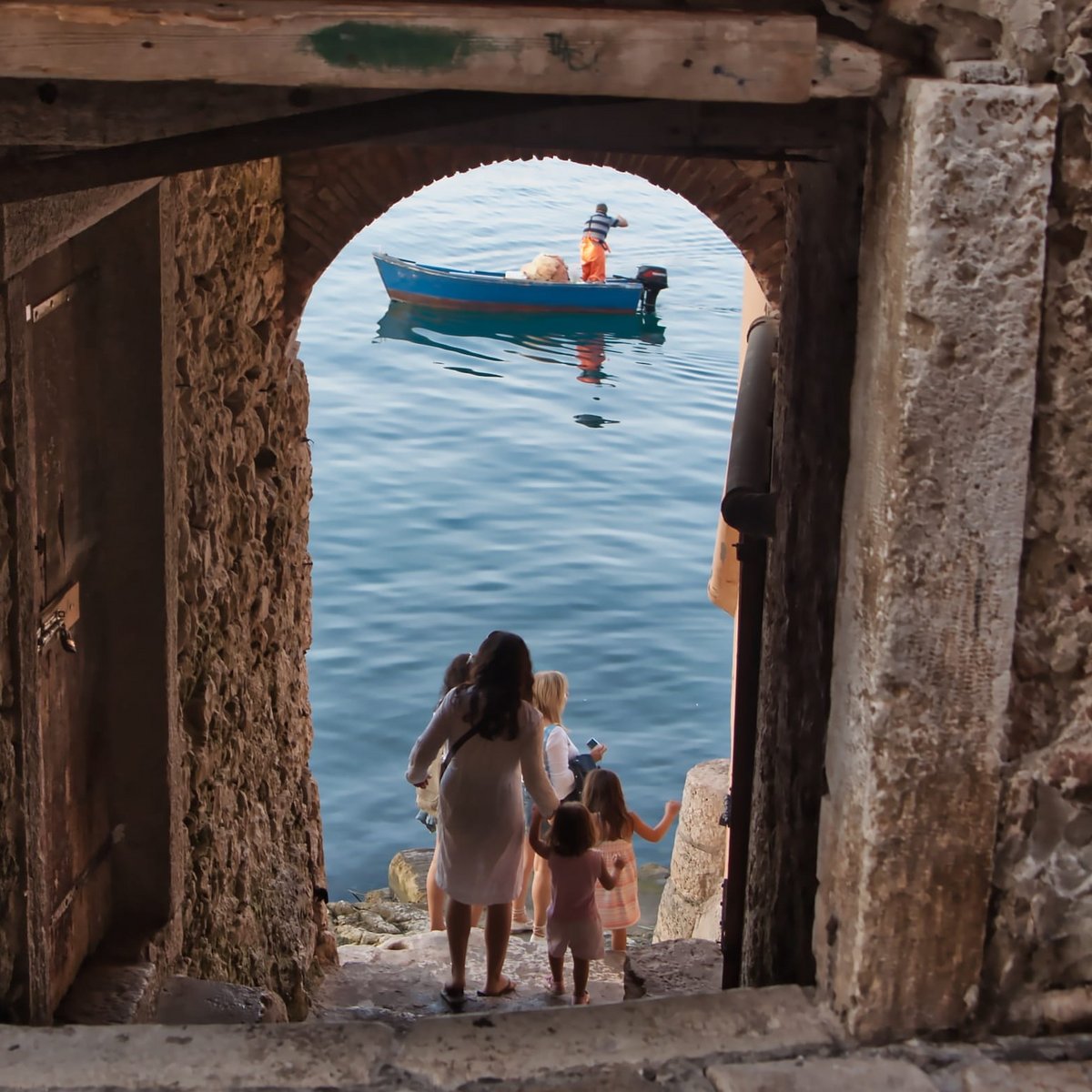
Typical Rovinj!
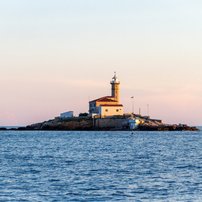
Rovinj is a popular tourist destination for several reasons: its numerous beaches, scenic attractions - such as the Lim Canal - and some 22 offshore islands that are perfect for swimming and diving.
Rovinj has a long and rich history dating back to Roman times. The city was an important port for the trade of olive oil, wine, and fish. Over the centuries, Rovinj was controlled by various rulers, including the Venetians, the Austrians, and the Italians. Each of these cultures has left its mark on the city, resulting in a unique cultural heritage.
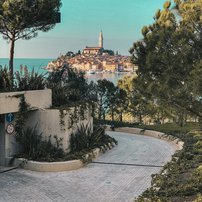
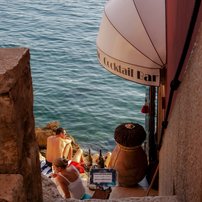
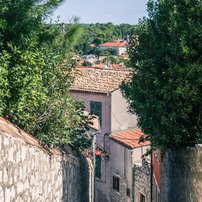
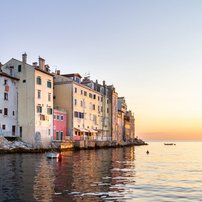
Rovinj’s Old Town is undoubtedly the highlight of any visit to the city. Its narrow streets form a labyrinth of stone and cobblestones that leads to picturesque squares and breathtaking views of the sea. The colorful buildings are adorned with shutters, balconies, and flowering plants, lending the town a picturesque atmosphere. The Old Town is home to many restaurants, cafés, and bars that serve delicious local specialties, giving visitors the chance to enjoy Croatian cuisine.
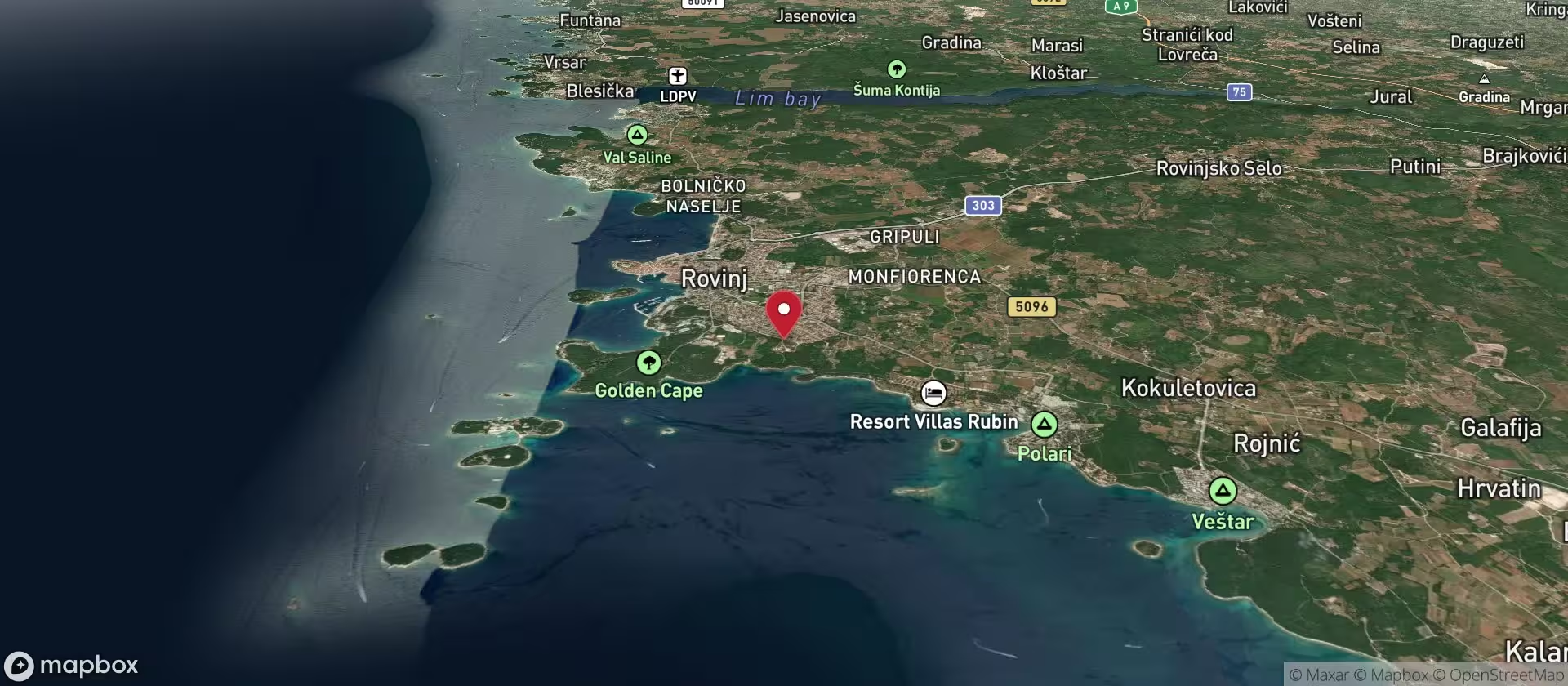
There is a dog-friendly beach in Rovinj at the northern end of the Kuvi Peninsula, near the Vestar campground. The beach is called "Val de Lesso" and is a pebble beach with crystal-clear water, specially equipped for dogs and their owners.
The beach features lounge chairs, umbrellas, and showers for dogs and their owners. However, dogs must be kept on a leash.
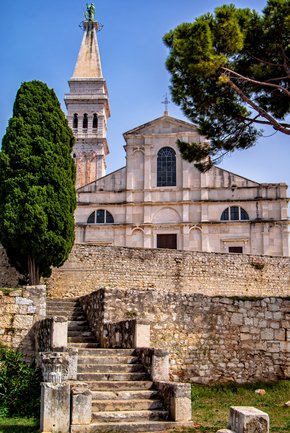
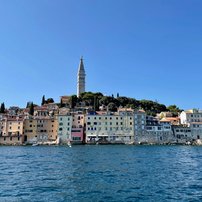
The port city of Rovinj was originally located on an island. In 1763, a land bridge was built connecting it to the mainland, so that it now lies on a peninsula. Until 1797, it belonged to the Republic of Venice, which had a significant influence on its cityscape. The old town, built on a hill with winding alleys and beautiful Renaissance buildings, is dominated by the three-nave Church of St. Euphemia, featuring a nearly 60-meter-high bell tower modeled after the Campanile in Venice’s St. Mark’s Square. At its top stands a 4.70-meter-tall bronze statue of St. Euphemia, which rotates and points with its right hand in the direction of the prevailing wind. On a stroll through the old town, you’ll repeatedly encounter the winged Venetian lion, such as at the Porta Balbi and the Torre dell’Orologio (Clock Tower), which was once the southern tower of the city wall and formerly served as a prison.
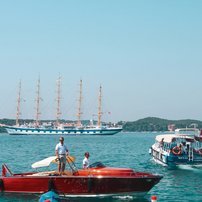
Rovinj is a very Italian town; as recently as 1900, over 90% of its inhabitants were Italian. The town’s harbor invites you to take a stroll and rest at one of the many bars and trattorias.
For a variety of reasons, Rovinj is a popular tourist destination: numerous beaches, scenic attractions - such as the Lim Channel - and around 22 offshore islands that are perfect for swimming and diving.
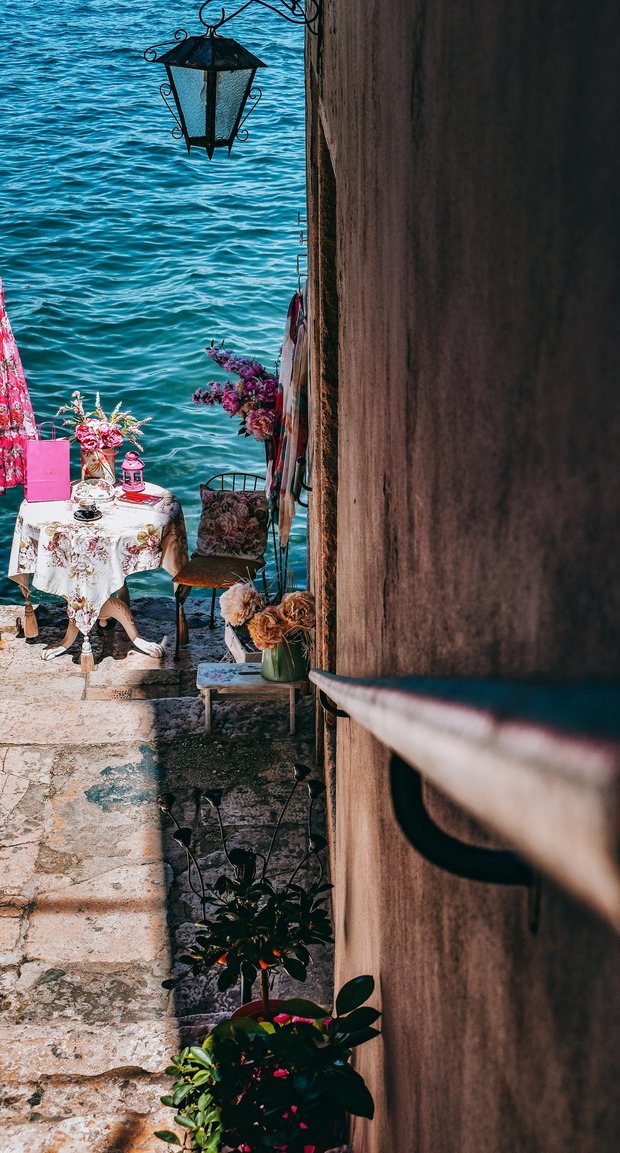
Old Town Baden in Rovinj
Rovinj offers many tourist attractions that are well worth a visit. The town is a great place for water sports such as swimming, snorkeling, diving, and boating. Rovinj’s beaches are also known for their beauty and cleanliness.
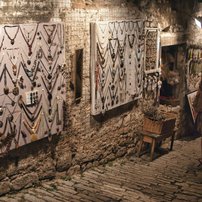
There are also many nature reserves near Rovinj that offer opportunities for hiking, biking, and birdwatching. In addition, there are many cultural and historical attractions in the Rovinj area, such as the Monastery of St. Euphemia, the Basilica of St. Euphemia, and the Batana Museum.