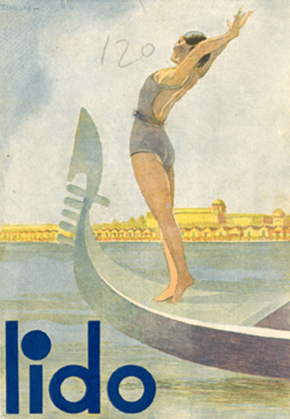
Back when advertising wasn't annoying yet - an advertising poster for the Lido from the 1930s.
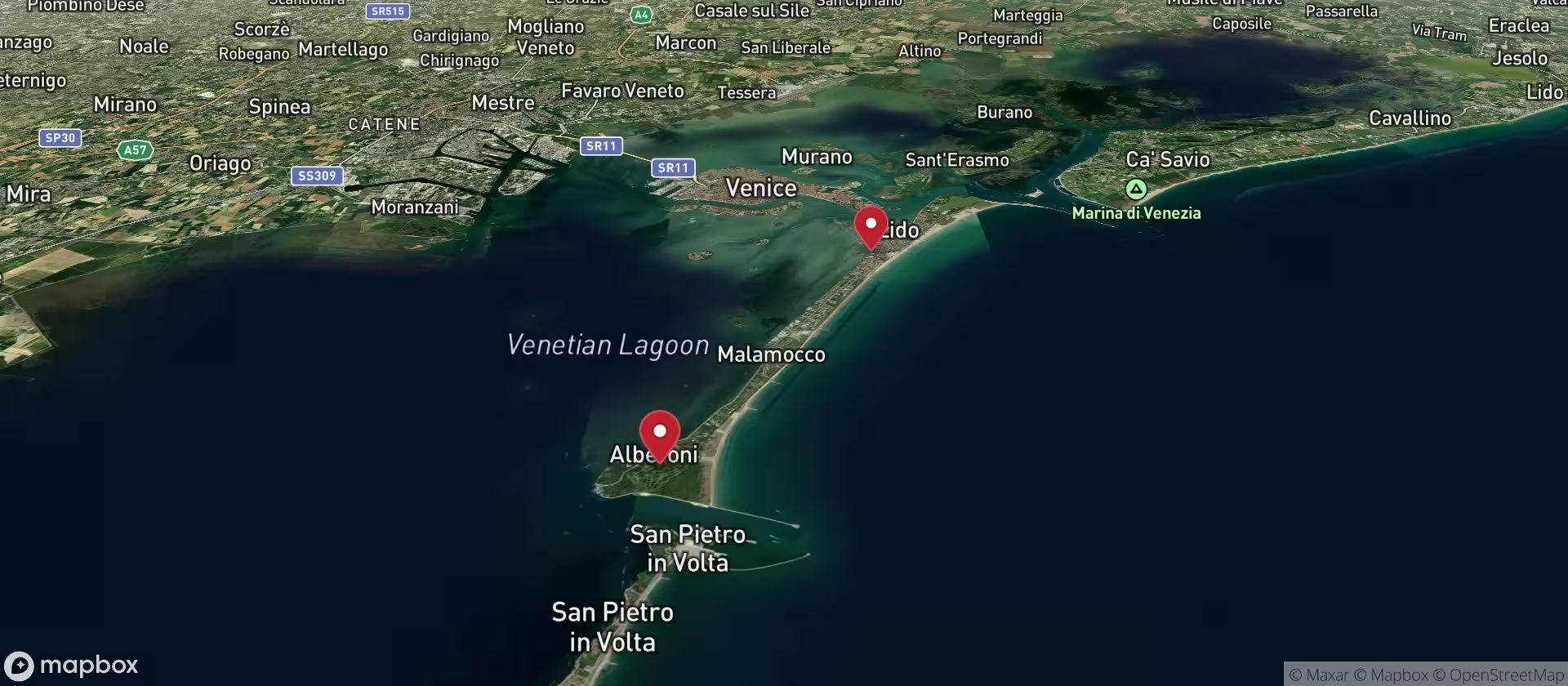
In the 19th century, it developed into a fashionable seaside resort with luxurious hotels. It is also the venue where the Golden Lion is awarded during the Venice Film Festival. As the setting for Thomas Mann's *Death in Venice* (see *Death in Venice* for further reading), it has found its way into literature.
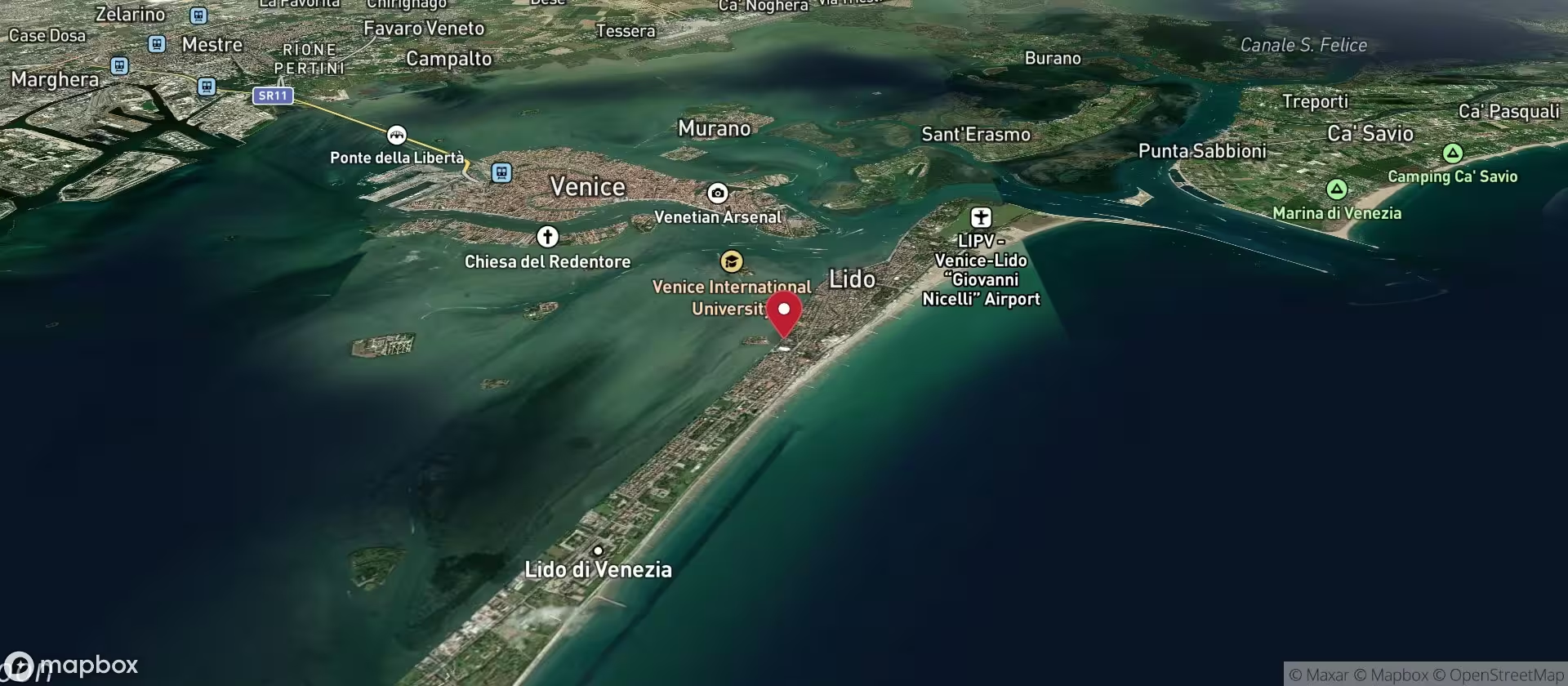
If you arrive by boat from Venice or Punta Sabbioni (Jesolo) at the Lido, you will disembark in the Santa Maria Elisabetta neighborhood. This is also where you'll find the beaches that have made the Lido famous.
This part of the island stretches along the avenue leading from Quattro Fontane to San Nicolò. Almost all the hotels, guesthouses, and villas here date from the early decades of the 20th century and were built in the Art Nouveau style of the time. Fortunately, many have retained these architectural details.
It's worth taking a stroll. Take a close look at the facades, entrances, and garden gates! This is also where the most renowned beaches of the Lido di Venezia are located. This is where it all began; here, just a few meters from the current beach of the Hotel Des Bains, the "modern" Lido took shape.
In the July 4, 1857, issue of the Gazzetta Ufficiale di Venezia - at a time when the Austrians were still in power in Venice - we find an unusually long advertisement stating that "The new and magnificent bathing facility directly on the sea at the beach of S. Maria Elisabetta on the Lido has been opened to the public. The owner is Giovanni Fisola...".
The bathing time is set at one hour, ladies bathe separately from gentlemen, and the first-class admission price is one Austrian lira. It was the defining moment of the modern Lido.
This was followed by the construction of a landing stage for the steamship traveling to and from Venice and the introduction of a bus service to the beach resorts. However, true success did not come until the invention of the beach hut: a cross between a changing room and a small cottage that allowed families to spend the day at the seaside.
Around 1900, the large hotels were built: the Des Bains on the beach and the Hotel Lido on the lagoon side. The latter, built for the wealthy middle class, no longer exists today. The Des Bains, an exquisite gathering place for the European and especially Austrian aristocracy (Thomas Mann stayed at this very hotel), celebrated its centennial in 2000.
In 1906, an electric tram was added, providing convenient access to all the major hotels. And the Hotel Excelsior outshone them all. It was here that the wealthy landowners and entrepreneurs stayed, but for the most part, it was almost exclusively members of the most important royal families and the wealthiest bankers and industrial tycoons from overseas.
This is the name given to a uniquely scenic stretch of coastline facingMalamocco. Its name derives from the monastery that once stood in the center, along with a cemetery and a fortress. Many great poets were inspired by the enchanting atmosphere of this place. (Goethe, Byron, Shelley, De Musset...)
The fortress no longer exists, but parts of the old defensive wall remain. This 5.20-meter-high wall blocked access to the southern part of the island toward Malamocco and ran along the beach and the canal to the harbor. It separated the northern tip from the rest of the island as a bulwark against enemy attacks by the Turks.
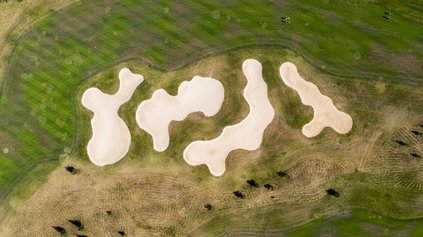
Venice had secured the entire Lido with fortifications, and remnants of these defensive structures can still be admired in several places along the Murazzi near Ca' Bianca, the Terre Perse, Malamocco, and on the beautiful Circolo Golf course.
San Nicolò is also home to Nicelli Airport and the hospital. The vast grounds of this hospital are slated to be converted into a health resort.
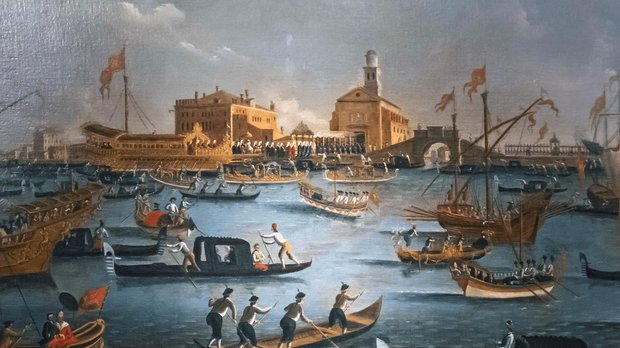
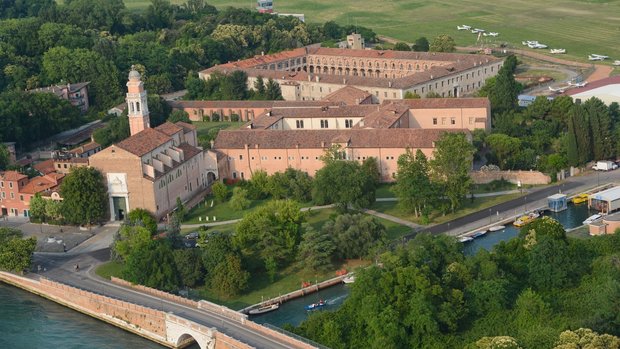
Benedictine Monastery of San Nicolò on the Lido of Venice
Photo creditSan Nicolò
Monastery: Are these the remains of St. Nicholas?
This Benedictine monastery was built between 1043 and 1053, and its Romanesque basilica houses the controversial relics of St. Nicholas of Myra. Like so many other things, they were secretly stolen from the Holy Land by the Venetians in 1096. However, the city of Bari is said to have committed the same theft nine years later - decide for yourself which city you trust more.
The chapel and the cloister are of art-historical interest. San Nicolò is also home to the old Jewish cemetery. In 1386, the Jewish community of Venice was assigned this site. At that time, Jews were only allowed to trade and lend money from their banchi (=stalls).
They were required to live in the outskirts. It was not until 1516 that this ban was lifted, when the Republic allocated a separate area in the city to the Jews in order to better utilize their economic power and, at the same time, to better control them. The world's first ghetto was subsequently established there.
This part of the Lido, Quattro Fontane, has the most extensive tourist infrastructure, including the Kinopalais cinema complex, the casino, and the famous Westin Excelsior Hotel. There's a very simple explanation for this. Coming from Venice, it's simply the closest beach.
Because it has always been that way, the Venetians used this stretch not only as a sand reserve but also specifically for flirting. Of course. Back then, bathing and swimming were still highly recommended. In the 16th century, it was the only place on the island with a "vacation home" - namely that of the patrician Pisani family (who, incidentally, maintained various other "vacation homes," including the famous Villa Pisani on the Brenta).
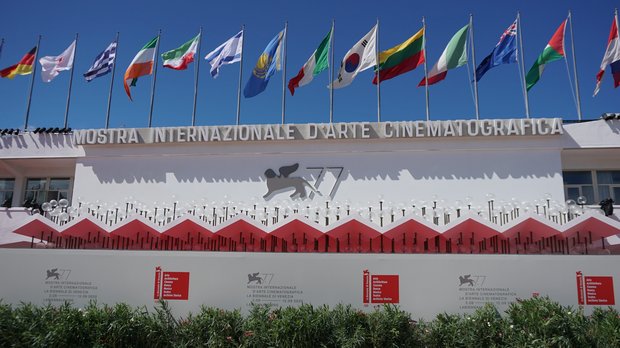
A building was later constructed in its place that is now one of the most highly regarded hotels on the Lido: the Kinopalais and the Casino clearly illustrate the significance of the Lido at the time of their construction. Even today, their size and facilities are sufficient to host major events such as the Biennale, which attracts thousands of participants.
What foresight - after all, these two buildings were erected in a very short time between 1937 and 1938.
The Kinopalais was built in six months, the Casino in just eight! For nearly 100 years, a building stood in their place that gave the area its name - the Fortress of the Four Fountains, Quattro Fontane - constructed by the Austrians as an extension of an existing fortress built in the mid-19th century.
Every story about the Lido, no matter how small, begins in Malamocco. This friendly and picturesque village, with its canals, narrow streets, large and small squares, and low, closely packed houses, is a small but faithful reflection of Venice, whose urban development is closely linked to that of the island.
If you come to the Lido and pass by the small village of Malamocco on your left, you'll miss out on imagining what the island looked like about 100 years ago.
Back then, nearly the entire population of about 1,000 residents lived in this village, which was not only the seat of the Lido municipality but also the only settlement on the island.
When, toward the end of the 19th century, the Lido di Venezia was discovered by tourists, Malamocco alone retained its village character.
Alberoni is the youngest part of the island, likely no more than 700–800 years old, which is why it is not as heavily developed. The beach area is one of the few remaining dune regions of the ancient Upper Adriatic coast and is therefore rich in rare animal and plant species, which are found in five distinct zones extending from the shoreline.
Behind the dune strip lies a large wooded area, followed by the fantastic golf course nestled among firs, lindens, maples, and white and black poplars. One of the 10 most challenging golf courses in Italy! To the south, a breakwater extending far out into the sea borders the beach.